Water damage
Water calls capture where it is coming from and whether it is stopped.
Restoration companies
The first call after water or fire damage should be calm and specific, and it should not pretend to be the fire department.
Build session
No prompt engineering. No implementation queue. Just a conversation that becomes your receptionist.
The call
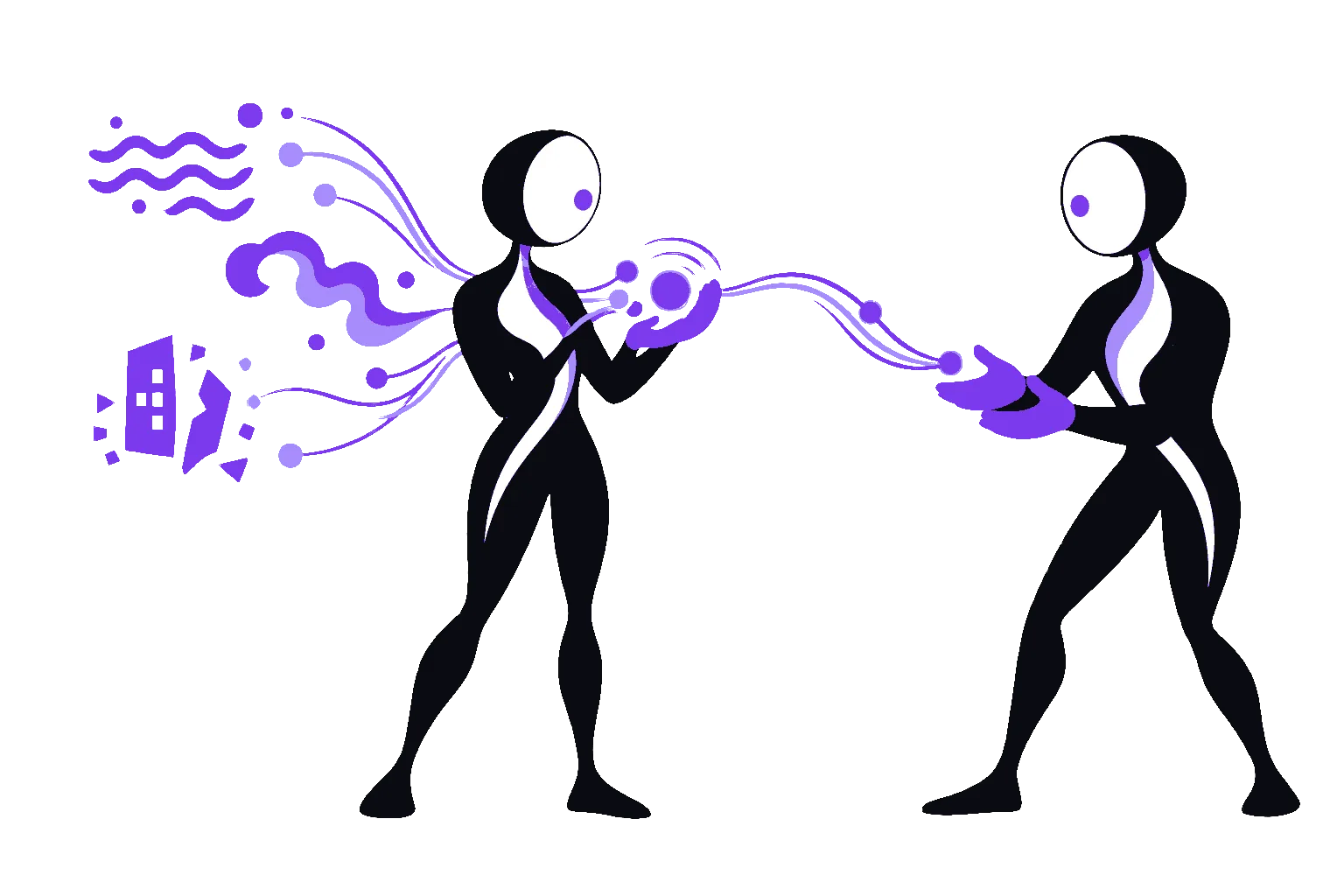
Ava asks what happened, when, and which property. She does not assess safety, promise dry-out, or talk to an insurer for the caller. Your team reviews the request.
What Ava asks
Water calls capture where it is coming from and whether it is stopped.
Fire and smoke calls are messages. Active fire is told to call 911.
Storm damage is described, not adjusted.
Commercial losses collect the site and a callback for your team.
Saved for your team
Appointment booking is coming soon. Ava does not book during the call, and she does not transfer the live call.
4voip does not assess safety, determine insurance coverage, or dispatch emergency responders.
Describe the business, then call her before a customer does.